|
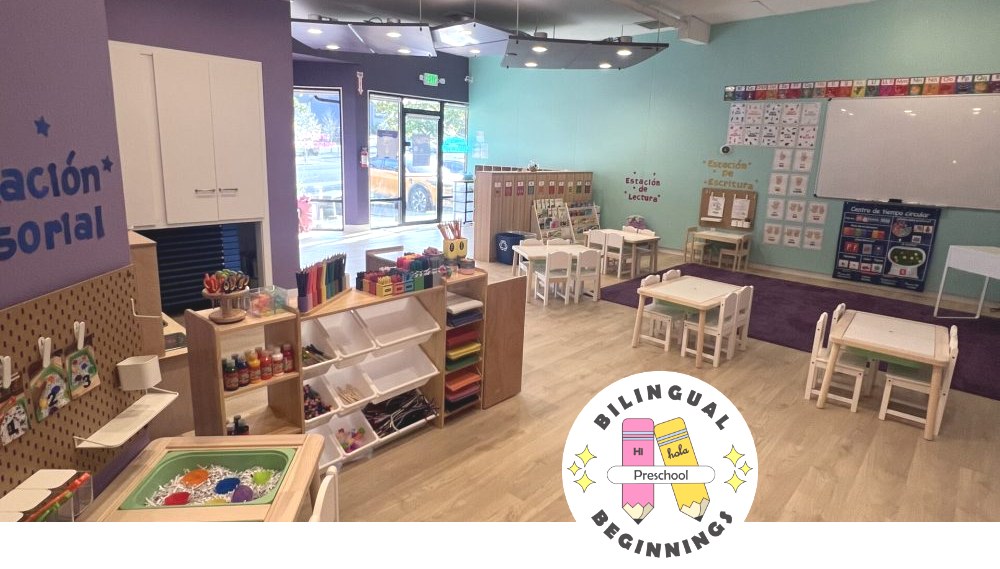
Decades of research show that young children can readily learn two languages, and that maintaining a home language doesn’t interfere with mastering English. Maintaining the home language can also strengthen family relationships, preserve cultural knowledge, and give children another foundation for communication and learning.
José Martí, founded with El Centro de la Raza in 1972, builds its curriculum on that premise: strengthening each child’s first language and culture while supporting second-language development.
Ninderjit Gill, who leads North’s language-immersion cohorts, puts the stakes in personal terms: “I think about my mom, who’s an incredible caregiver. She’s been here for decades but doesn’t speak perfect English. If she had the opportunity to take classes in her home language, she’d have her own child-care business right now.”
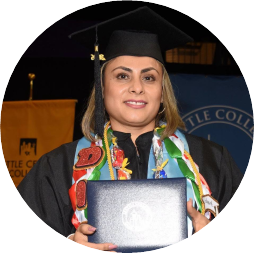
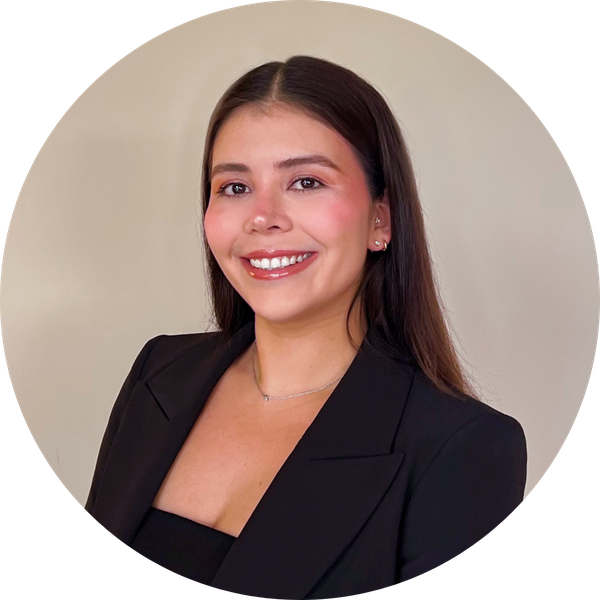
For Diana Ramirez, the degree is more than a credential. It is proof — to her students, their families, and the next generation of educators — that the path to a satisfying career does not have to begin by leaving your language behind. Sometimes, it begins by bringing it with you.
|